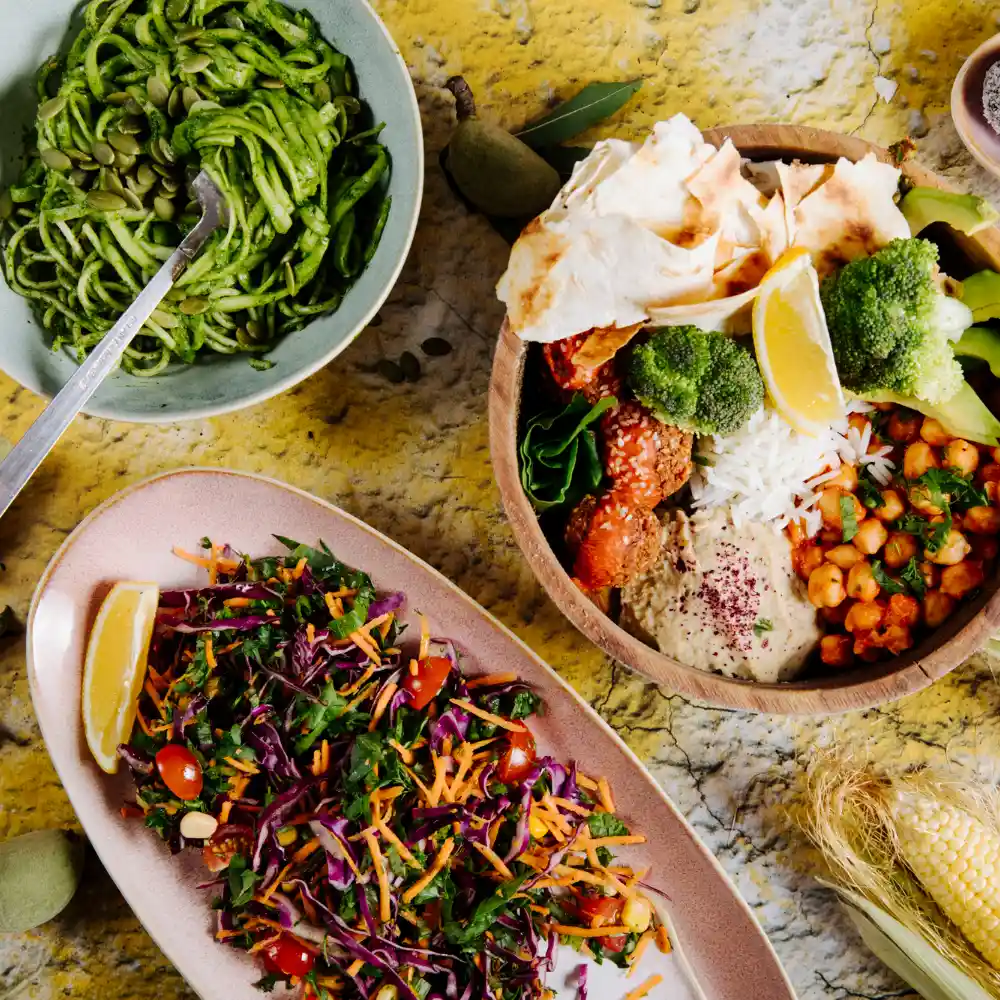
Plant-based eating has moved past simply swapping meat for vegetables. In 2026, the bigger focus is on food quality, real nutritional value, and choosing less processed ingredients. While plant-based burgers and ready-made alternatives can be convenient, whole foods like beans, lentils, vegetables, nuts, and whole grains still form the foundation of a balanced diet.
Why Food Quality Matters
Not every plant-based food delivers the same benefits. A meal built around fresh vegetables, whole grains, and legumes can supply fiber, vitamins, minerals, and protein. A diet that leans heavily on ultra-processed snacks and meat substitutes, on the other hand, may fall short on key nutrients.
The smarter approach is to look beyond the “vegan” label. Check the ingredients, read the nutrition information, and consider how the food actually fits into your overall diet.
Whole Foods vs. Processed Alternatives
Plant-based alternatives have made meat-free eating more accessible, but convenience shouldn’t replace awareness.
- Whole foods — Lentils, chickpeas, beans, fruits, vegetables, and whole grains offer a wide range of nutrients with minimal processing.
- Meat alternatives — Burgers and sausages can add variety, though some are high in sodium or saturated fat.
- Packaged snacks — Vegan cookies, chips, and sweets can still be high in sugar, salt, and calories.
You don’t need to avoid every processed product. The practical goal is to build most meals around minimally processed ingredients and use packaged options more selectively.
How to Build a Balanced Plant-Based Diet
Variety is essential. Different foods provide different nutrients, so mixing things up helps create more complete meals. A few useful habits:
- Include reliable protein sources such as beans, lentils, tofu, chickpeas, or nuts.
- Choose whole grains like oats, brown rice, whole-wheat bread, and quinoa for fiber and steady energy.
- Eat a range of colorful fruits and vegetables to cover different vitamins, minerals, and beneficial plant compounds.
- Pay attention to nutrients that can be harder to get on a fully plant-based diet, especially vitamin B12, iron, calcium, iodine, and omega-3s. Vitamin B12 usually requires fortified foods or a supplement.
These small, consistent choices make everyday meals more satisfying and nutritionally sound.
What’s Shaping Plant-Based Eating in 2026
The conversation has shifted toward simpler ingredients, clearer labeling, and practical nutrition. Many people are moving away from relying only on imitation meats and returning to traditional dishes built around lentils, beans, vegetables, and whole grains.
This approach can also be more affordable. Chickpeas, seasonal vegetables, and dried beans work well in soups, curries, salads, and one-pot meals.
Sustainability remains part of the discussion too. Eating more plant foods can lower the environmental impact of many diets, though the actual benefit depends on the specific foods, how they’re produced, and how much processing and packaging is involved.
Plant-based eating in 2026 is less about following a trend and more about making better everyday choices. Prioritizing whole foods, eating a variety of ingredients, and checking the quality of packaged products helps create a diet that is both balanced and enjoyable.
Whether you’re fully plant-based or simply trying to eat more vegetables, starting with food quality is one of the most practical steps you can take.