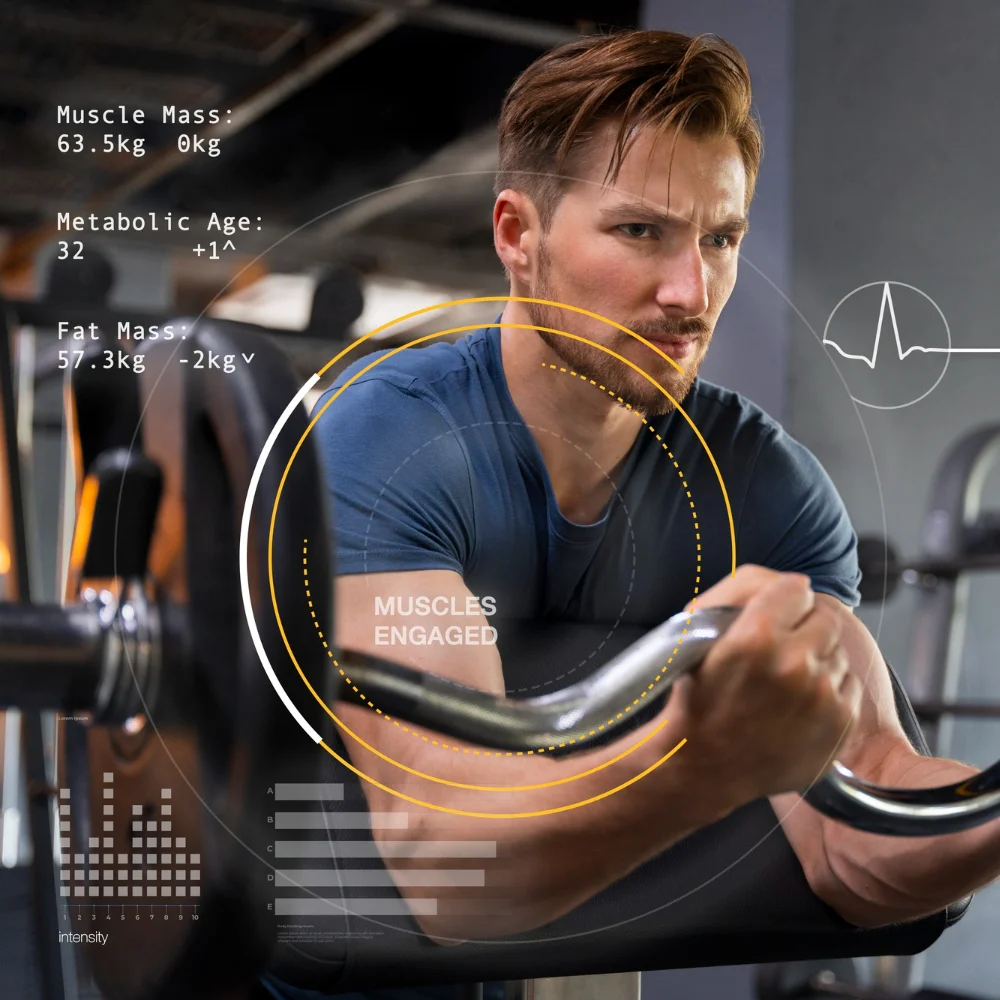
What if your exercise sessions could change depending on how rested you feel show your improvements clearly and tell you what to do next? That is the way fitness is moving forward. In the year 2027 devices that you wear on your body tools that use intelligence and training programs that are made just for you are expected to be even more important in how people plan and keep up with their exercise. These tools will not take the place of being consistent or having coaching but they can make your training more informed and easier to handle—especially for people who have a lot going on in their lives.
Here is what is happening.
1. Wearable Technology Keeps Getting Smarter
Smartwatches, fitness bands and heart-rate monitors stay important for training. They help people keep track of:
- Heart rate during activity and when resting
- Number of steps taken and movement
- Sleep habits
- Length of workouts, speed and how things improve over time
Expect better sensors and better ways to look at data in 2027. Just remember: these numbers are estimates. Devices that people wear are not tools and should not take the place of advice from a doctor.
2. AI-Powered Personal Training
AI fitness apps are getting better at creating plans based on your past your goals and what you tell them. Someone training for a 5K might get a running plan. A person who is just starting out and focused on lifting might get a schedule that gets harder over time.
These tools make personal plans more available for workouts done at home. Still they cannot fully deal with injuries, health problems or bad form—so think of the advice as something helpful not something you must follow exactly.
3. Smarter Recovery and Sleep Tracking
Working hard only helps if you rest well. Many devices now track how long you sleep, your heart rate when you are not moving and how much your heart rate changes and then use that to create recovery or readiness scores.
In 2027 more people may use these ideas to decide if they should try harder or take it easy. A night of sleep or feeling more tired than usual can be a sign to slow down. Still recovery scores are not perfect. How you actually feel is still the important thing—and if you have ongoing problems see a professional.
4. Virtual Coaching and Home Workouts
Guided workouts at home are growing in popularity. Sessions for building strength, yoga moving better. Cardio classes are available through apps and sites often with tracking and suggestions based on what you like.
This flexibility helps people who cannot or do not want to go to a gym. The main thing is to pick programs that have instructions that match your level. For complex lifts or heavy lifting getting feedback on how you move from a real person can still be helpful.
5. Nutrition Alongside Training Data
More apps are linking tracking of what you eat with your workout data. You might record meals watch how water you drink or see how your eating matches your training goals—like tracking protein when you are building muscle or focusing on fueling before long sessions.
These tools can make planning easier. The information about food and the suggestions from the tools are not always accurate. Each person has needs so do not think of the AI meal plans as medical advice.
6. Strength Training Meets Smart Equipment
Machines that are connected and systems that change resistance can track how times you lift estimate how much you do and show how you improve over time. Some also give guided workouts and feedback. The information can be encouraging and good for getting better over time.. You do not need expensive smart equipment to get results. Free weights, resistance bands and exercises with your body weight still work very well when done regularly with the right way of moving.
How to Actually Use Fitness Tech Well
You do not need all the gadgets. Start with tools that solve a problem in your life:
- One good fitness tracker is often enough for daily activity and workouts.
- Set goals that you can reach and use the technology to help you not to chase every number.
- Look at trends over weeks of reacting to what happens in one day.
- Check the privacy settings. Know how your data is collected and used.
Fitness trends for 2027 are more connected and personal training. Devices, AI coaching, recovery ideas and smart equipment can help people understand their habits and make choices.. Technology works best when it is a support. Consistent training, rest, good food and realistic goals still help with long-term success. Whether you train at home or, in a gym choose tools that make your routine easier to keep doing—. Focus on making habits you can keep.