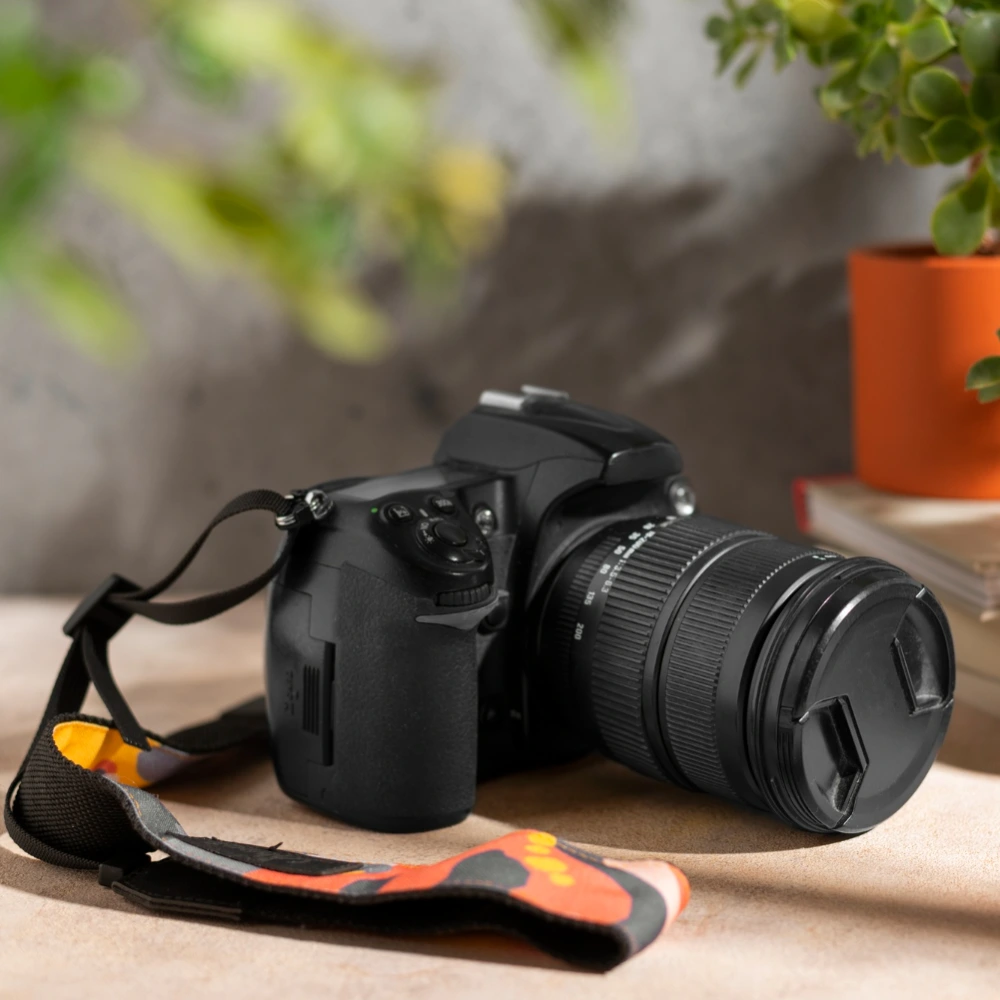
Photography changes how we notice the world. It turns everyday moments into something we can keep, share, and return to later. Whether you’re documenting daily life, exploring nature, or simply practicing seeing more carefully, a camera becomes a tool for paying attention.
Choosing the right camera matters when you’re starting out, but it’s only one part of the process. The real growth comes from learning how to see, practicing regularly, and connecting with other photographers.
Best Cameras for Beginners
Photography is about more than pressing a button. It’s about how you interpret a scene and share that perspective. The camera you start with can make learning smoother or more frustrating, so it helps to choose something that supports you rather than overwhelms you.
Most beginners do well with either a DSLR or a mirrorless camera paired with a versatile kit lens (usually something in the 18–55mm or 16–50mm range). These lenses cover a useful focal range for portraits, landscapes, street photography, and everyday shooting.
When comparing options, pay attention to:
- Ease of use and helpful guide modes
- Autofocus performance
- Battery life
- Size and weight
- Connectivity for sharing photos
DSLR Options
DSLRs are solid learning tools. They usually offer good battery life, a wide selection of lenses, and both automatic and full manual controls so you can grow into the technical side of photography.
Popular beginner-friendly DSLRs include:
- Nikon D3500 — A budget-friendly choice with a 24.2MP APS-C sensor, helpful Guide Mode, excellent battery life (around 1,550 shots), and a compact body. Ideal if you want something reliable and straightforward.
- Canon EOS Rebel T8i — A versatile all-around option with a 24.1MP sensor, 4K video, a vari-angle touchscreen, and solid autofocus. Good for people who want both stills and video.
- Canon EOS Rebel SL3 — Lightweight and portable with a 24.1MP sensor, 4K video, and a vari-angle screen. Suited to travel or anyone who prefers a smaller DSLR.
Mirrorless Options
Mirrorless cameras are generally more compact and often include electronic viewfinders that show exposure in real time. Many also perform well for video and subject tracking.
Strong beginner options include:
- Canon EOS R50 — Compact and approachable, with a 24.2MP APS-C sensor, reliable autofocus, and a fully articulated touchscreen. Works well for both photography and casual vlogging.
- Sony ZV-E10 — Designed with content creators in mind. It offers a 24.2MP APS-C sensor, strong eye-tracking autofocus, and 4K video at 30fps, making it a solid choice for vlogging and hybrid use.
Building a Portfolio
A portfolio is how you show what you see and how you work. Start by selecting your strongest and most representative images rather than trying to include everything. Decide on a loose theme or style so the collection feels cohesive, then update it regularly as your work improves.
Present it cleanly, whether online or in print. A clear, well-edited selection usually makes a stronger impression than a large, uneven one.
The Value of a Photography Community
Photography can feel solitary, but connecting with other photographers helps a lot. Feedback sharpens your eye, shared projects keep you motivated, and seeing different approaches expands what you think is possible. Consistent participation often leads to better work and, over time, more opportunities.
Photography is less about owning the “perfect” camera and more about developing your way of seeing. Technical skills matter, especially if you want to work professionally, but so does curiosity, practice, and the willingness to keep refining your work.
Build a focused portfolio, seek honest feedback, stay open to learning, and keep shooting. With time and persistence, you’ll develop both stronger skills and a clearer personal voice behind the lens.