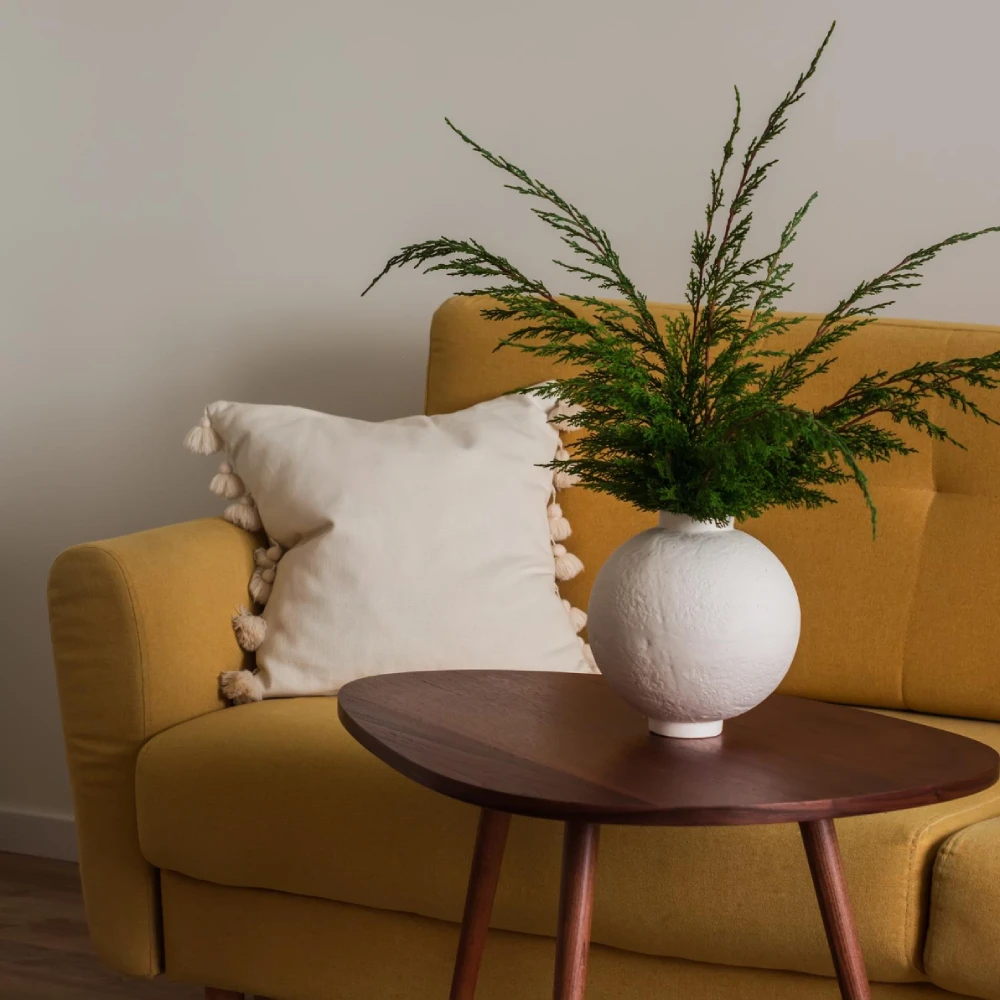
Home decor in late 2026 is less about perfect, magazine-ready rooms and more about spaces that feel comfortable, personal, and lived-in. Natural materials, warmer colors, vintage pieces, and practical furniture are taking priority over trends that look good only in photos.
If you’re thinking about refreshing a room, these 10 directions offer ideas you can try without starting from scratch.
1. Warm, Earthy Color Palettes
Cool grays are stepping back to make room for terracotta, chocolate brown, olive green, and creamy beige. These tones create a more welcoming feel in living rooms, bedrooms, and dining areas.
Try it: Add earthy shades through cushions, rugs, curtains, or a single painted accent wall.
2. Natural Materials and Textures
Wood, stone, linen, rattan, and woven finishes add quiet depth without relying on busy patterns. They help a room feel relaxed rather than overly styled. Wooden furniture, linen bedding, and simple ceramic pieces are easy entry points.
3. Curved Furniture and Soft Shapes
Rounded sofas, circular coffee tables, arched mirrors, and sculptural chairs soften the sharp lines common in many modern homes. Even one curved piece can make a space feel more inviting. Start small with a round mirror or oval table if you’re not ready for bigger changes.
4. Vintage Finds and Thrifted Decor
Mixing older pieces with newer furniture gives a home more personality. Vintage lamps, secondhand wooden cabinets, antique frames, or distinctive objects often carry a character that mass-produced items lack. Balance is key—pair one or two standout vintage finds with cleaner modern pieces.
5. Layered Lighting
A single overhead light rarely works for every mood or activity. Combining ambient, task, and accent lighting makes rooms more functional and pleasant. Add table lamps, floor lamps, or wall sconces, and choose warmer bulbs for evenings.
6. Statement Walls and Expressive Wallpaper
Plain walls are giving way to bold wallpaper, textured finishes, decorative plaster, and stronger paint colors. Floral prints, dramatic patterns, or a well-chosen accent wall can change the feel of a room without a full redesign. Smaller spaces like powder rooms, reading nooks, or entryways are good places to experiment.
7. Layered Rugs, Fabrics, and Patterns
Mixing textures and patterns helps a room feel collected rather than staged. Patterned cushions, soft throws, textured curtains, and complementary rugs work well together. Stick to a consistent color palette and vary the scale of patterns so nothing competes too strongly.
8. Personal Collections and Meaningful Decor
Homes are becoming more personal. Books, travel souvenirs, family photos, ceramics, and artwork are being displayed as part of the design rather than hidden away. Group a few meaningful objects together and leave some breathing room around them instead of filling every surface.
9. Wellness-Focused Living Spaces
People are paying more attention to how their homes support rest and daily routines. Comfortable reading corners, calmer bedroom colors, indoor plants, and less clutter all help. You don’t need a dedicated wellness room—a good chair by a window or a quiet corner for stretching can make a difference.
10. Flexible, Practical Furniture
Multifunctional pieces continue to matter, especially in homes where space has to work harder. Storage ottomans, extendable tables, sofa beds, and modular seating help rooms adapt. Focus on durability, comfort, and real usefulness rather than buying something just because it’s trendy.
How to Bring These Ideas Home
You don’t need to adopt every trend. Start with a few changes that fit your space, budget, and taste:
- Add warmth with earthy cushions, art, or accessories.
- Mix one vintage piece with what you already own.
- Improve the lighting with a new lamp.
- Display objects that actually mean something to you.
The strongest direction in late 2026 home decor is toward warmth, individuality, natural textures, and everyday comfort. Whether it’s expressive wallpaper, softer shapes, or more flexible furniture, the goal is a home that feels current and genuinely livable.
Choose the ideas you like and introduce them gradually. The best spaces reflect how you actually live—not just what’s popular right now.