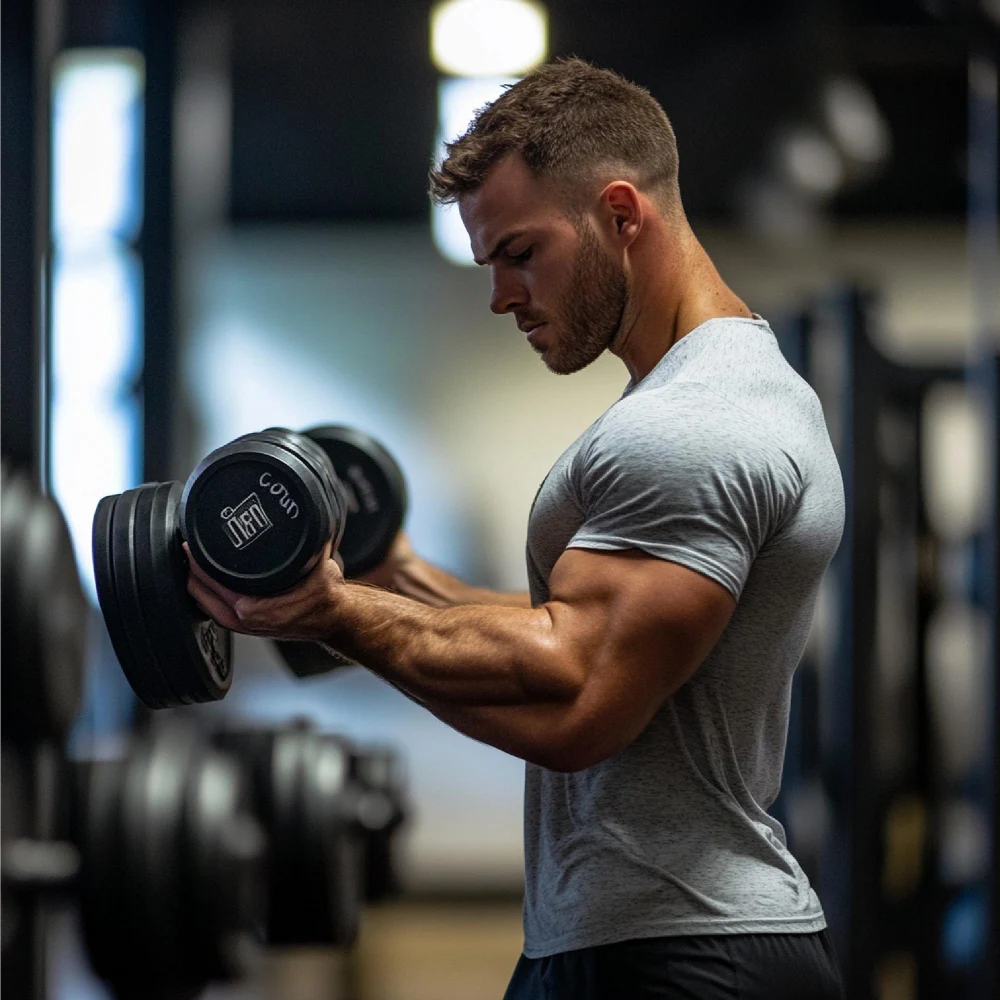
Strength training is turning into a part of how people stay fit these days. A lot of folks start working out to drop pounds or change how they look. But building and keeping muscle does more than shape your body. Strong muscles help you move through your day, keep your bones healthy, hold your balance, keep your metabolism going and stay on your own as you get older.
More people are paying attention to aging now, so muscle health is getting noticed as a real piece of feeling well overall. In 2027, the goal is shifting away from trying to get smaller or lighter. Instead, people want a body that feels able and steady and tough.
What Is Muscle Health?
Muscle health means how strong your muscles are, how big they are, how well they work and what shape they are in. It is not just for athletes or bodybuilders. Every single person counts on muscle strength to go up stairs, lug groceries, get out of a chair, sit and stand up straight and get around safely each day.
Muscle mass tends to drop as you age, mainly if you are not active. This slow loss can make it harder to get around and turn tasks into a struggle. The good news is that lifting weights or doing resistance work on a regular basis can help people get stronger at many ages and fitness levels.
You do not have to lift heavy weights to see the payoff. Sticking with it, using form and moving up little by little matter more than going all out.
Key Benefits of Strength Training
1. Supports Everyday Strength
One of the things about strength training is that it makes daily life easier. Stronger legs can make walking, stair climbing and getting up simpler. Stronger arms and shoulders can help when you lift bags, carry kids or move stuff around the house.
These gains might look small at first.. They can make your day-to-day life more comfy and mean you lean on other people less. Strength training gets your body ready for the stuff you deal with outside the gym.
2. Helps Maintain Bone Health
Resistance exercise puts stress on your bones. That can nudge your body to keep them strong. This matters a lot as you get older. Your bones become more at risk of losing density.
Moves where you bear weight, like squats, lunges, step-ups and some resistance exercises, can help build a set of bones and muscles. Still, if you have a history of osteoporosis, broken bones or joint issues, talk to a qualified health professional before you start something
3. Improves Balance and Mobility
Balance and mobility matter more as you age. Strength training can sharpen the control. Steadiness you need to move with confidence.
Exercises that work your legs, hips, back and core may help with posture and coordination. Stronger muscles can also make it easier to catch yourself when your balance shifts a like when you step on an uneven patch of ground.
A good around routine should include slow, controlled moves through a range of motion that feels fine. Do not just chase heavier and heavier weights.
4. Supports Metabolic Health
Muscle tissue burns energy just to stick around and regular resistance exercise can help keep your metabolism healthy. Strength training may also help your body handle blood sugar and use energy better when you pair it with food and regular movement.
Keep in mind that exercise is one piece of metabolic health. Sleep, handling stress, food quality, your genes and how active you are all play big parts too.
5. Promotes Long-Term Independence
Keeping your strength can help you stay active and on your own as you get older. Things like shopping, travel, cooking meals and taking care of your home all ask for some level of ability.
That is one reason strength training should not be seen as a way to get visible muscle. It is also money in the bank for your mobility and quality of life.
How to Get Started With Strength Training
You do not need a gym membership or a pile of gear to start. Plenty of exercises can be done at home with just your body weight, resistance bands or a pair of dumbbells.
A starter routine might include:
- Squats or sit-to-stand exercises
- Wall or modified push-ups
- Resistance-band rows
- Glute bridges
- Step-ups
- Light overhead presses
- Core exercises such as bugs or planks
Start with two sessions a week and hit the major muscle groups. One or two sets of each move may be plenty at first. As the moves get easier, slowly add reps, more resistance or more sets.
Good form should come before resistance. Going slow and staying in control can help you get a feel for each exercise and lower the chance of straining something you do not need to.
If you have a health condition, ongoing pain or trouble getting around, think about getting help from a doctor, physical therapist or certified fitness pro.
How to Make Strength Training a Habit
The routine that works best is the one you can keep up. Of planning a brutal schedule that wears you out fast, pick realistic sessions that fit your week.
You can make strength training easier to stick with by:
- Scheduling workouts on days
- Keeping equipment out where you can see it and grab it
- Starting with short sessions
- Writing down your exercises and your slow progress
- Working out with a friend or a training buddy
- Leaving time to rest and recover
Food matters too. Enough protein, lots of fluids and a balanced diet can help your muscles bounce back. Good sleep matters as much, because your body repairs and adapts while you rest.
Strength training should go hand in hand with walking, stretching, fun activities and other kinds of movement. Mixing it up can make fitness more fun. Help you keep moving over the long haul.
In 2027, putting muscle health first means caring about what your body can do, not how it looks. Strength training can help with bones, better balance, easier movement, metabolic health and more independence all through your life.
Whether you work out at home or at a gym, start at a level that feels fine and move up slowly. With practice, good recovery and goals you can actually reach, getting stronger can become a valuable part of a healthier, more capable life.