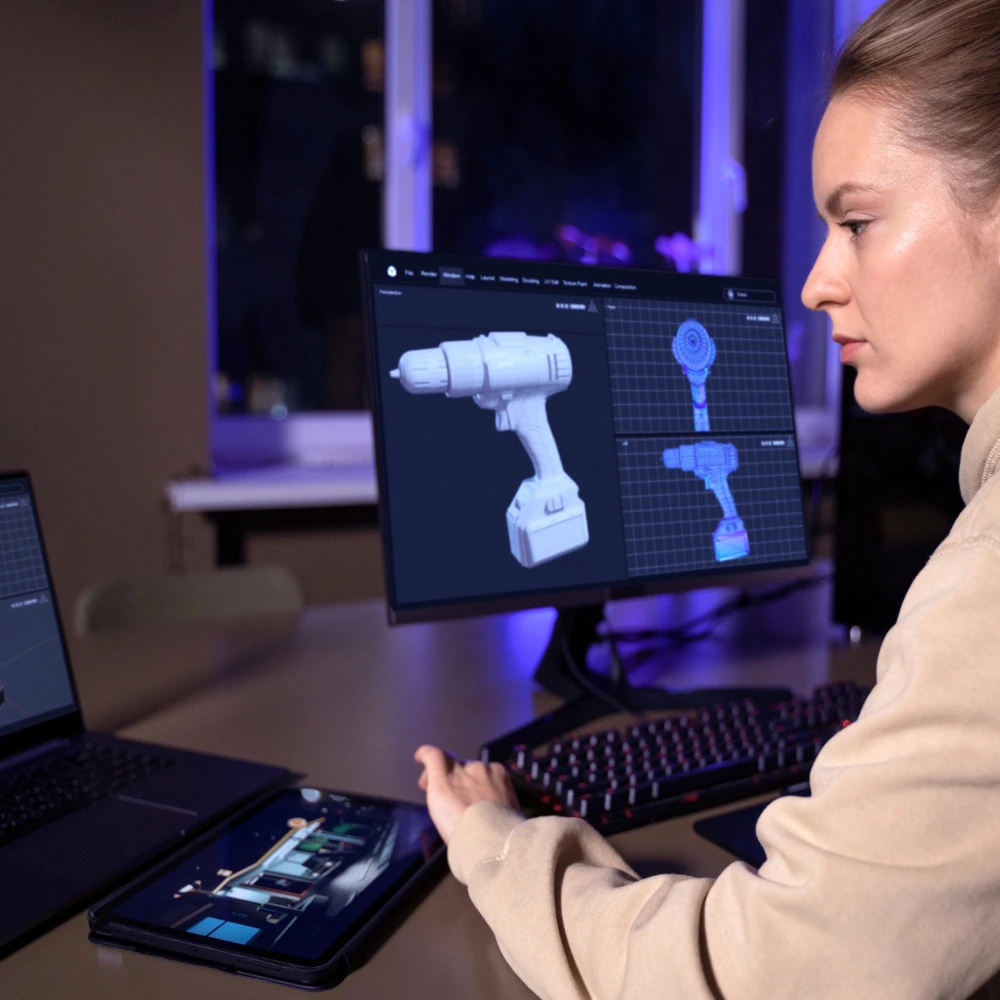
Artificial intelligence (AI) is changing the way design and manufacturing work by taking over tasks that are repeated making simulations go faster and making the production process smoother. Engineers used to use tools for computer-aided design (CAD) simulation and planning for manufacturing. This often caused delays and problems with communication.
AI is helping bring these processes allowing engineering teams to check designs more quickly make fewer mistakes and make better choices. By adding AI to the software that is already used in manufacturing companies can be more productive. Let engineers focus on new ideas and solving difficult problems.
Key Uses of AI in Mechanical Design
AI is becoming a part of modern mechanical design helping engineers look at different options, test ideas and take care of routine tasks.
- Generative Design: This creates different design options based on what materials are used how much weight is allowed, cost, how it is made and how well it performs. Engineers can compare these options. Choose the best one.
- AI-Assisted Simulation: Uses AI models that have learned from simulation data to predict things like stress, temperature and other performance issues. This helps cut down the time it takes to do repeated tests.
- Intelligent CAD Tools: These help with finding features catching errors in assembly and helping with design rules and measurements.
- Design Optimization: Helps engineers look at setups earlier in the design phase, which reduces changes that cost a lot later.
Some platforms like Autodesk Fusion, Siemens NX, PTC Creo and Ansys have tools that help with AI-assisted design and engineering. Even though these features can speed up development engineers still need to check the AI-designed work to make sure it meets safety, performance and production standards.
How AI Makes Manufacturing Better
AI also helps connect product design with the manufacturing process. By linking engineering data with production companies can make things more consistent do manual work and avoid delays.
Important uses include:
- Automated Documentation: Creates instructions for work manuals for maintenance and checklists for quality based on the engineering data.
- AI-Based Process Planning: Suggests the ways to machine parts, what paths to take, what tools to use and what settings to have based on the shape and material of the part.
- Predictive Quality Control: Uses cameras and production data to find problems check sizes and spot issues with assembly.
- Smart Material Selection: Helps choose the materials by looking at what the product needs how much it costs how available it is and how long it takes to get from suppliers.
- AI-Powered Digital Twins: Uses real-time data to watch equipment guess when things might break and find ways to make production better.
These uses help manufacturers avoid fixing things make better products and plan production better.
Top AI-Driven Manufacturing Software
Many software programs now use AI in engineering, simulation and production processes.
- Autodesk Fusion: Helps with CAD and CAM workflows and creates designs.
- Siemens. Teamcenter: Help with designing products managing their life and connecting engineering with manufacturing.
- PTC Creo and Windchill: Give tools for designing and managing the life of a product.
- Ansys SimAI: Helps with simulation and testing designs using AI.
- Altair HyperWorks: Offers tools for simulation making things better and analyzing engineering problems.
- Siemens Opcenter: Helps with making things planning how to make them and watching the factory floor.
The best software for a company depends on what tools they already have what their engineering needs are, how they make things and how much money they have. Companies should pick tools that work well with their systems instead of just adding AI features on their own.
Advantages and Issues of Using AI
AI can bring good things to mechanical engineering and manufacturing like faster changes to designs less work that people have to do better quality checks and better choices. Catching problems early in the design and production process can also help avoid changes and waste materials.
To use AI well companies need to plan carefully. If the data is not good the AI might not give results. Connecting AI with the existing CAD, product lifecycle management (PLM) and enterprise resource planning (ERP) systems can be a challenge.
Engineers also need to check the AI suggestions in areas that are very important for safety or in industries with strict rules. AI should help with engineering work not replace the judgment of people.
How to Pick AI-Driven Manufacturing Software
Before choosing AI software for manufacturing companies should think about the following things:
- Integration: Make sure the software works with the CAD, PLM, ERP and manufacturing tools that’re already in use.
- Accuracy and Clarity: Check if the AI suggestions are reliable, clear and easy to check.
- Data Quality: Make sure there is good data from engineering and production to use.
- How to Put It In and Keep It Safe: Decide if it’s better to use the cloud on your servers or a mix of both.
- How to Grow and Get Help: See if the company offering the software has plans for the future help and can handle what the company needs later.
Starting with one problem like making simulation faster or catching more mistakes can help companies see the results before using AI in more areas.
AI is changing the way design and manufacturing work by taking over tasks that are repeated making simulations better and connecting design with production. These changes help companies make things faster make products and use their resources better.
To use AI well companies need good data, systems that work together and checks, by real engineers. Of replacing old systems or people AI gives the most value when it is part of the usual ways of working to solve specific problems.
By looking at what they do and choosing the right AI tools companies can take real steps to make their engineering work more efficient, accurate and connected.
